One of the most common questions homeowners ask is simple: How long will my roof last? So lets look into the Lifespan by roof type?
It’s a fair question. Your roof is one of the biggest investments in your home, and in Florida, it works harder than roofs in many other states. Constant sun, high humidity, heavy rain, windstorms, and hurricane season can shorten roof life if materials are aging or maintenance is ignored.
The truth is there is no one-size-fits-all answer. Roof lifespan depends on the material, installation quality, ventilation, storm exposure, and how well the roof has been maintained over time.
At Budget Roofing Service, we’ve helped Central Florida homeowners protect and replace roofs for decades. Here’s what Florida homeowners should know about roof life expectancy and when it may be time to take action.
Why Florida Roofs Age Faster
Florida weather is beautiful—but tough on roofing systems.
Several factors can reduce roof lifespan:
- Intense UV exposure
- High attic heat
- Humidity and moisture
- Heavy rain
- Wind uplift during storms
- Poor ventilation
- Debris from trees
- Previous low-quality repairs
Even a newer roof can wear faster if one of these issues is present.
That’s why local experience matters. A roof installed correctly for Florida conditions often performs much better than one built to minimum standards.
Average Roof Lifespan by Roof Type in Florida
Asphalt Shingle Roofs
Shingle roofs are one of the most common options because they are cost-effective and attractive.
Typical Florida lifespan: 15 to 25 years
Higher-end architectural shingles may last longer, but heat and storms can shorten that range depending on exposure and ventilation.
Signs of aging include:
- Granules in gutters
- Curling edges
- Missing shingles
- Dark streaking
- Repeated leaks
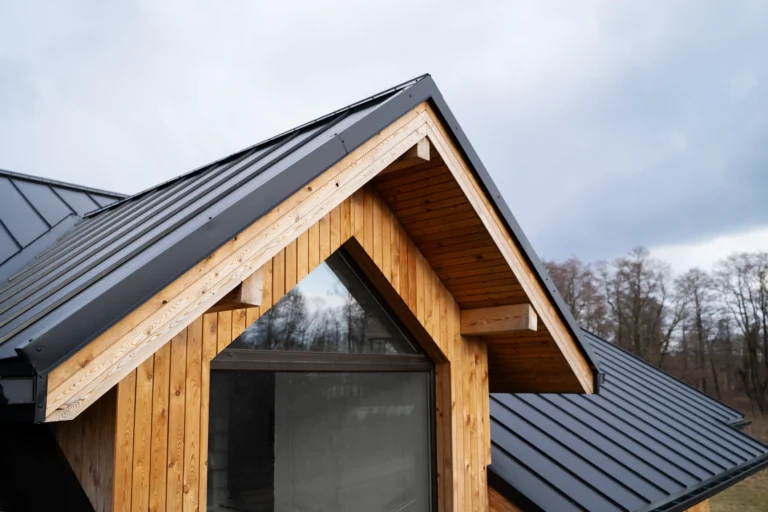
Metal Roofs
Metal roofing is growing in popularity across Florida because of durability and energy benefits.
Typical Florida lifespan: 30 to 50+ years
Metal roofs can perform extremely well when properly installed, especially with quality fasteners, underlayment, and flashing details.
Signs of wear may include:
- Loose fasteners
- Rust in older systems
- Sealant failure
- Panel movement
- Flashing issues
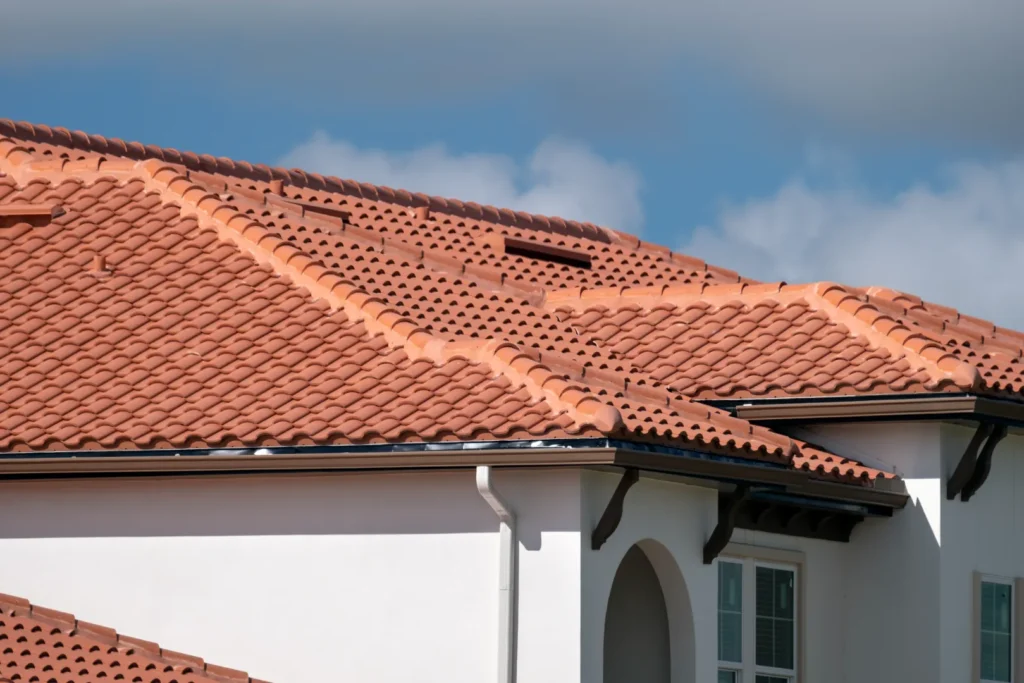
Tile Roofs
Tile roofs are common in Florida neighborhoods and offer strong curb appeal with long service life.
Typical Florida lifespan: 30 to 50+ years
(Underlayment may need replacement sooner)
Many tile roofs fail beneath the tile before the tile itself wears out.
Watch for:
- Slipped tiles
- Cracked tiles
- Underlayment leaks
- Valley issues
- Moisture intrusion around penetrations
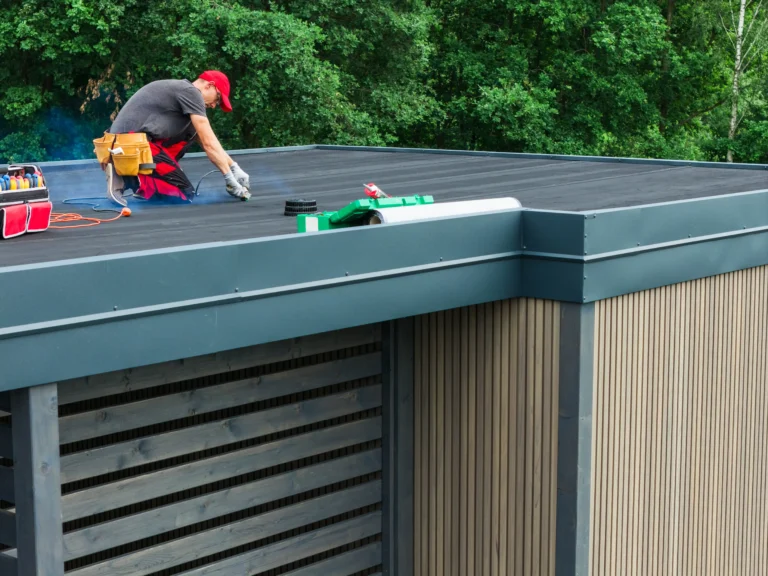
Flat and Low-Slope Roofs
Flat roofs on homes, additions, lanais, or commercial buildings vary based on material type.
Typical lifespan:
- TPO: 15–25 years
- Modified bitumen: 10–20 years
- Coatings: depends on substrate and maintenance
Drainage, ponding water, and seam quality are major factors.
Signs Your Roof May Be Nearing the End
Even if you don’t know your roof’s age, there are warning signs to watch for:
- Frequent repairs
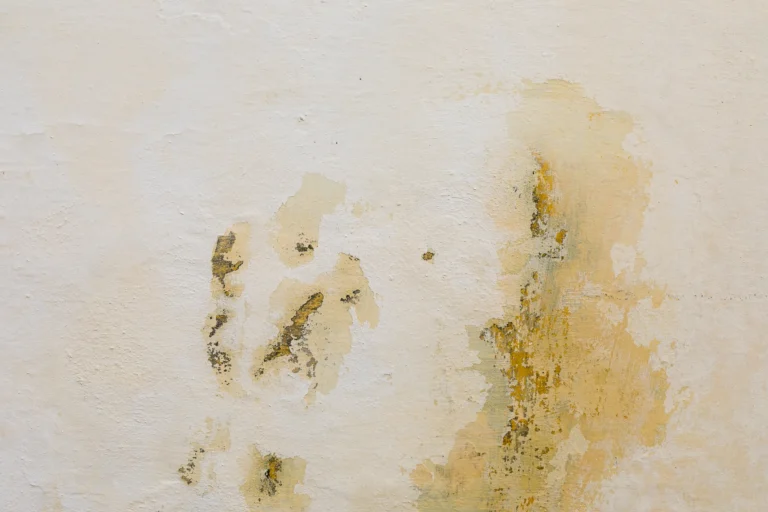
- Ceiling stains
- Sagging areas
- Loose materials
- Mold or moisture in attic
- Granule loss
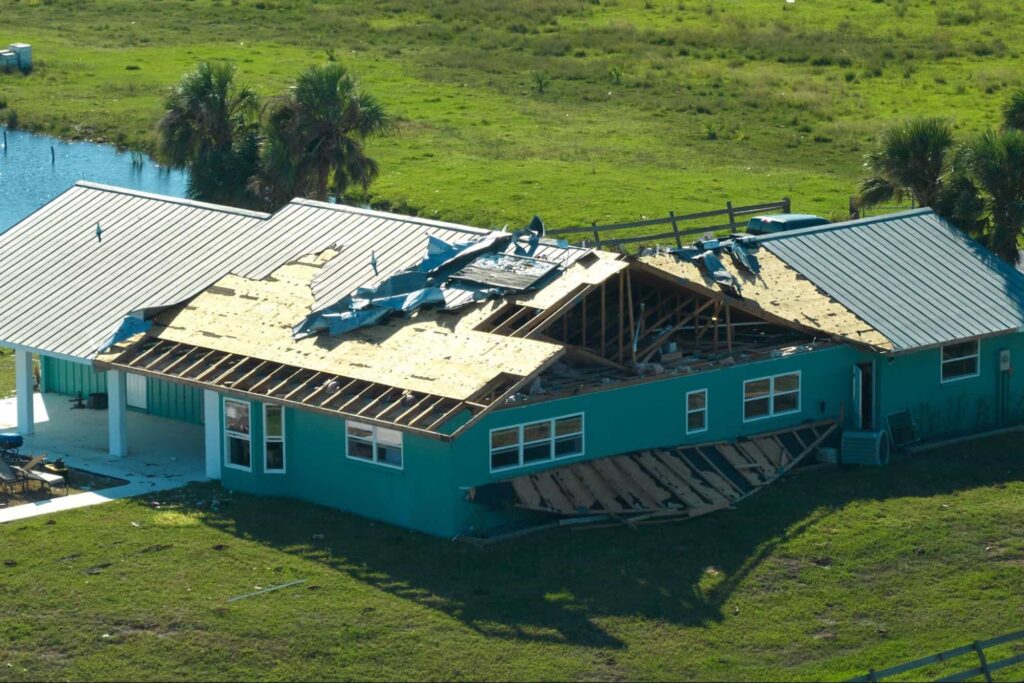
- Storm damage after minor weather
- Rising energy bills from poor ventilation
A roof does not need to be actively leaking everywhere to be near the end of its useful life.
Repair or Replace?
This is where many homeowners get stuck.
Repairs often make sense when:
- Damage is isolated
- Roof still has good remaining life
- Materials are available
- Structure is sound
Replacement may make more sense when:
- Multiple leaks are developing
- Repairs are becoming frequent
- Materials are brittle or failing
- Storm damage is widespread
- The roof is near expected lifespan
The smartest decision is usually the one that saves money over the next several years—not just today.
How to Extend Roof Life
A roof can last longer with the right care.
Helpful steps include:
- Annual inspections
- Fast storm damage repairs
- Clean gutters
- Trim overhanging branches
- Improve attic ventilation
- Fix flashing issues early
- Address small leaks immediately
Small maintenance costs are usually far less than premature replacement.
Why a Professional Inspection Matters
Photos online can’t tell the full story. Two roofs of the same age can be in completely different condition based on installation and exposure.
A professional inspection helps determine:
- Remaining roof life
- Hidden problem areas
- Repair options
- Storm damage concerns
- Whether replacement should be planned now or later
That gives homeowners real answers instead of guesswork.
Why Homeowners Trust Budget Roofing Service
Budget Roofing Service has proudly served Central Florida since 1952. Our team gives honest inspections, clear recommendations, and quality roofing solutions built for Florida weather. Whether you need a repair today or want to plan ahead for replacement, we’re here to help.
Schedule a Free Roof Inspection
If you’re wondering how much life your roof has left, now is the time to find out. A quick inspection today can help you avoid expensive surprises later.
Contact Budget Roofing Service for a free roof inspection and expert guidance on the best next step for your home.