By Budget Roofing Service, Inc. Roofing Team ·
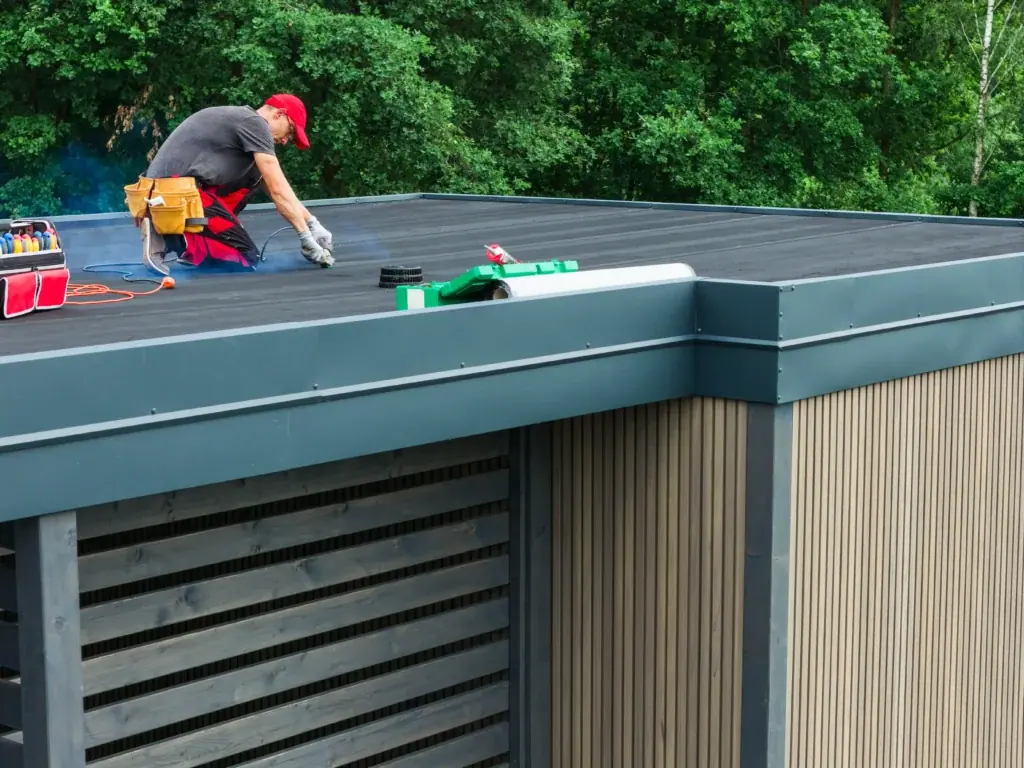
Flat and low-slope roofs are common on commercial buildings, offices, warehouses, retail centers, restaurants, churches, and service properties across Central Florida. They can be practical, efficient, and easier to access than steep-slope roofs. But they also need regular maintenance, especially in Florida’s heat, humidity, and storm-heavy climate.
A flat roof does not shed water the same way a steep roof does. Even a small drainage problem can lead to ponding water, membrane wear, leaks, insulation damage, or interior business disruption. For property owners and managers, routine maintenance is one of the best ways to extend roof life and avoid emergency repairs.
Flat Roofs Are Not Truly Flat
Most “flat” roofs are actually low-slope roofs. They are designed with enough slope to move water toward drains, scuppers, or gutters. When that drainage system works properly, rainwater leaves the roof before it causes problems.
When the drainage system is blocked or the roof has low spots, water can sit. Ponding water is one of the most important warning signs on a flat roof. It adds weight, speeds up wear, encourages algae and debris buildup, and can reveal weak areas in the roofing system.
After a heavy rain, water should not remain on the roof for days. If it does, the roof needs to be evaluated.
Keep Drains and Scuppers Clear
In Central Florida, leaves, branches, roofing granules, dirt, seed pods, and storm debris can collect quickly. If drains, scuppers, gutters, or downspouts are clogged, water cannot move off the roof correctly.
Business owners should have drainage points checked regularly, especially before and after storm season. A blocked drain can cause water to back up across large areas of the roof. In some cases, water may find its way into seams, penetrations, flashing, or roof edges.
For commercial buildings, drainage maintenance should be treated as a routine property task, not something to address only after a leak appears.
Inspect Roof Penetrations
Flat roofs often have many penetrations. HVAC units, vents, pipes, exhaust fans, drains, skylights, satellite equipment, and other rooftop systems all create potential leak points.
The roofing around these penetrations should be inspected for cracks, gaps, loose flashing, worn sealant, damaged boots, or signs of previous patching. HVAC contractors and other vendors may also walk on the roof while servicing equipment, which can accidentally damage the membrane if care is not taken.
If your building has rooftop equipment, inspections should include both the roof surface and the areas around every penetration.
Watch for Membrane Damage
Commercial flat roofs may use different materials, including modified bitumen, TPO, PVC, EPDM, built-up roofing, coatings, or other low-slope systems. Each has its own maintenance needs, but all should be checked for visible damage.
Warning signs may include blisters, bubbles, punctures, open seams, cracks, loose edges, worn coating, exposed reinforcement, soft spots, stains, or areas where the surface looks different from the surrounding roof.
Some damage may look minor but still allow water underneath. Once moisture gets below the membrane, the repair can become more complicated.
Document the Roof Condition
Commercial property owners should document roof inspections and repairs. Photos, service records, maintenance logs, and repair notes can be helpful for budgeting, warranty questions, insurance issues, tenant communication, and future replacement planning.
If a leak occurs, documentation helps show the history of the roof and what maintenance has been performed. It also helps a roofing contractor compare current conditions to prior inspections.
Budget Roofing Service’s inspection-first process emphasizes clear documentation and practical recommendations, which is especially helpful for property owners who need to make informed decisions instead of guessing.
Schedule Inspections Before Storm Season
Florida storms can expose weak points quickly. A roof that was already holding water, separating at a seam, or failing around a rooftop unit may leak during the next heavy rain.
For businesses, roof leaks are more than an inconvenience. They can damage inventory, equipment, flooring, ceilings, electrical systems, and customer areas. They can also interrupt operations and create safety concerns.
A pre-season commercial roof inspection can identify maintenance needs before storm damage becomes an emergency.
Do Not Let Small Leaks Linger
Small leaks on flat roofs can spread beneath the surface. Water may travel through insulation or along roof decking before it shows up inside. By the time a ceiling stain appears, the wet area may be larger than expected.
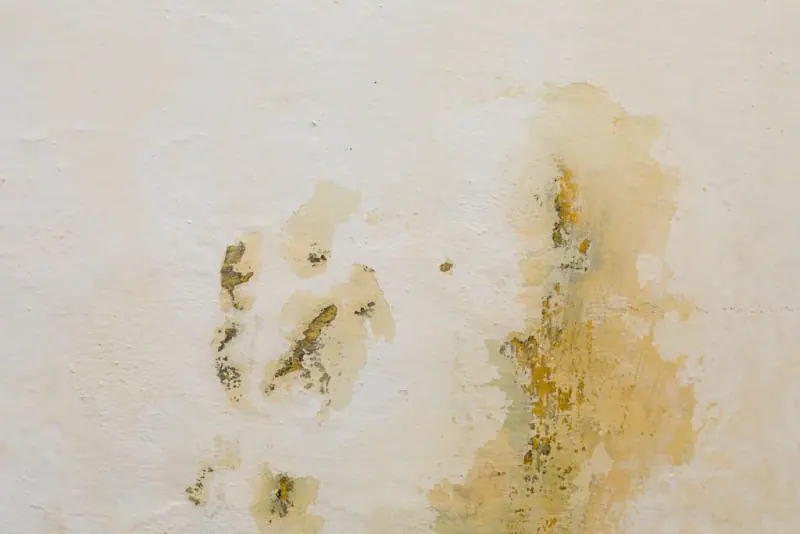
If your business notices dripping, staining, musty odors, wet ceiling tiles, bubbling paint, or soft interior materials, schedule an inspection promptly. Waiting often increases the repair scope.
Plan for Repair vs. Replacement
Not every flat roof leak means the entire roof needs replacement. Some problems can be repaired if they are caught early and the overall roof system is still in good condition.
However, if the roof has widespread membrane failure, repeated leaks, saturated insulation, major ponding, or aging materials near the end of service life, replacement may be more practical.
A qualified roofing contractor can explain the difference and help business owners plan responsibly.
Work With a Local Commercial Roofing Team
Budget Roofing Service has served Central Florida since 1952, providing roof inspections, repairs, replacements, and commercial roofing support from its Winter Haven location. The company works across Polk County and nearby communities, including Winter Haven, Lakeland, Auburndale, Haines City, Davenport, and Poinciana.
If your commercial building has a flat or low-slope roof, regular maintenance is one of the smartest ways to protect your property. A free inspection can help identify drainage problems, membrane wear, flashing issues, and repair needs before they interrupt your business.
Talk to a local roofer
Budget Roofing Service, Inc. has served Winter Haven and Polk County since 1952. Free inspections and written estimates.