By Budget Roofing Service, Inc. Roofing Team ·
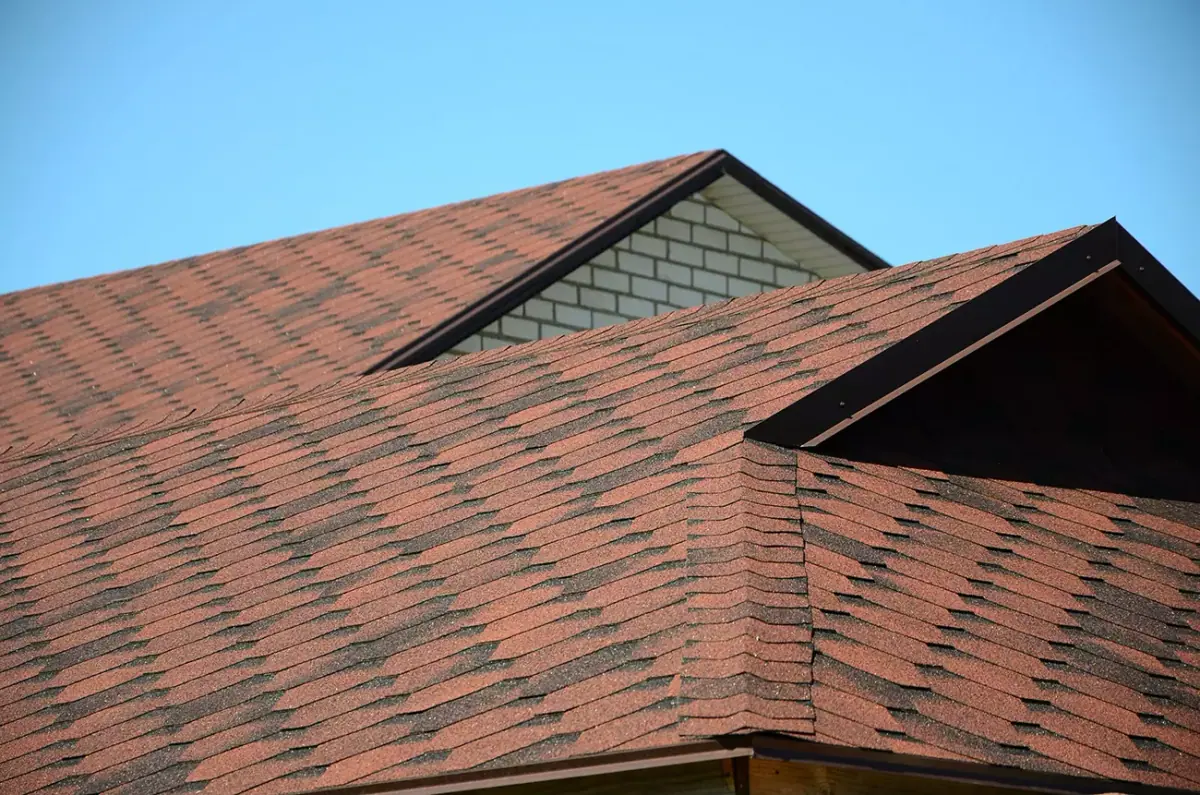
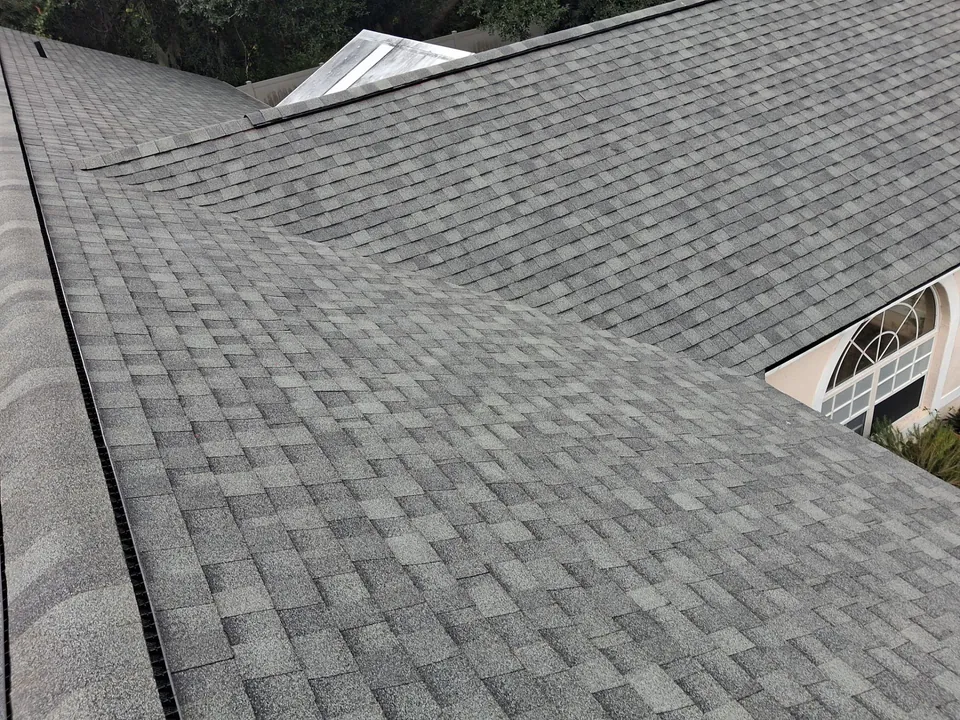
Wavy or buckled shingles most often point to something underneath them: wrinkled underlayment, or wood roof decking that has moved as it took on moisture. Less often, the cause is a raised nail, debris, or shingles that were bent before they went on. The pattern of the waves usually tells you which problem you have, and that tells you whether the fix is small or whether the roof needs to come up in that area.
If you have looked up at your roof from the driveway and noticed lines, ridges or a rippled look that was not there before, here is what we look for when we inspect it, and what you can check from the ground.
What wavy shingles look like
A healthy shingle roof reads as flat, even rows. Waviness shows up in a few ways:
- Long, straight ridges running across or up the roof
- A rippled or “washboard” look across a whole slope
- Single shingles that bulge or sit higher than the ones around them
- Lines you only see in low morning or evening light, when the sun hits the roof at an angle
Low, angled light makes small bumps easier to see, so check again in full daylight before you worry. If the lines are there at midday too, they are worth a closer look.
The main causes of buckled shingles
The Asphalt Roofing Manufacturers Association, in its bulletin Plain Facts About Buckled Shingles, says buckling on new roofs and re-roofs “is most often the result of wrinkles in the roofing underlayment or movement of the wood decking.” In plain terms, here is what that means.
Wrinkled underlayment
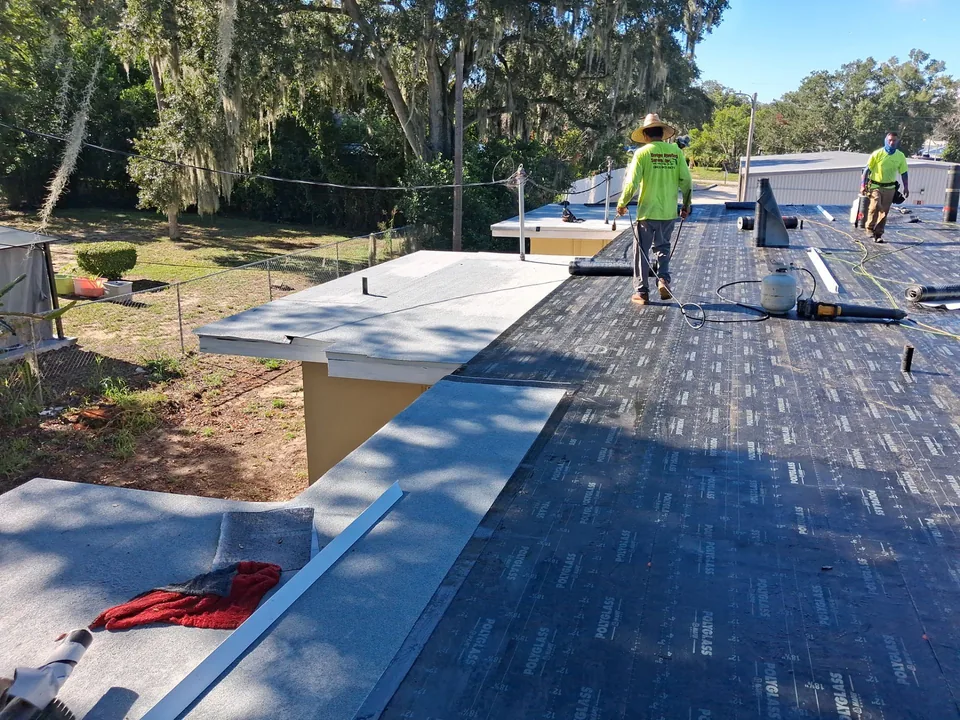
Underlayment is the layer that goes over the wood deck before the shingles. It is the layer that waterproofs the house. If it takes on moisture during the job, or is left exposed too long before the shingles go on, it can wrinkle. The shingles laid over it follow every wrinkle.
According to the association, underlayment wrinkles show up as distortions that are random across the roof and do not line up with the joints in the deck.
Roof deck movement
The roof deck is the plywood, OSB or boards that the whole roof is nailed to. Wood swells as it absorbs moisture and shrinks as it dries. When deck panels get rained on during construction or a roof replacement, or when an attic cannot move heat and moisture out, the panels can shift.
Deck movement leaves a different signature: straight lines that follow the seams of the deck panels or boards. The association also notes that deck panels should be spaced at least 1/8 inch apart, and that plank decks made of individual boards can buckle as each board swells and shrinks on its own schedule.
Attic ventilation
Ventilation connects to deck movement. A balanced system pulls hot, damp air out of the attic, so the underside of the deck stays drier and the shingles last longer. When the attic cannot breathe, moisture stays in the wood. Our post on why roof ventilation matters for Florida homes explains how intake and exhaust work together.
Installation details
Some bumps have a simple, local cause. The association lists nails that were not driven flush, shingles that were bent or warped from poor storage before they went on, and debris left under the shingles. These usually show up as isolated spots in random places, and each has its own fix.
How to tell which problem you have
You can learn a lot from the ground, without climbing a ladder:
- Look at the shape of the lines. Straight lines on a regular spacing suggest deck seams. Random ripples suggest underlayment.
- Note when it started. Write down whether the waves showed up soon after a new roof or re-roof, or appeared later. That history helps whoever inspects it.
- Check in full daylight. If the waves disappear at midday, the roof may simply be catching low sun.
- Look inside the attic, if you can do it safely. Stains on the underside of the deck, damp insulation or a musty smell point toward moisture.
- Take photos. Pictures from the same spot a few weeks apart show whether it is getting worse.
Please stay off the roof. A walk on wavy shingles will not tell you more than a trained inspection, and it is not worth the risk.
Is a wavy roof a problem?
Sometimes it is only cosmetic, and sometimes it is an early warning. A shingle that does not lie flat is not sitting the way it was designed to. In Florida, where storms test every roof, fastening in the correct nail zones is what keeps shingles on when wind lifts them.
Soft or spongy spots, leaks, or waves that keep growing are signs that something under the shingles needs attention. If the deck is damp or rotted, covering it with new shingles only hides the problem.
How wavy shingles get fixed
The fix depends on the cause, which is why the inspection comes first:
- Isolated bumps from a raised nail or debris have a specific, local cause, so the repair is usually limited to that spot.
- Wrinkled underlayment usually means removing the shingles in that area, correcting the underlayment, and then laying the shingles flat again, or installing new ones if the old ones were damaged.
- Deck problems mean fixing the wood. On our re-roofs, the old shingles and underlayment come off, and soft or rotted sheathing is photographed and repaired before anything goes back on.
- Ventilation problems need the attic balanced, or the same problem can come back.
When we replace a roof, underlayment, flashing, fasteners and ventilation are chosen to work together, and shingles go on to the manufacturer specs and the code, with the right nail zones. Read more about how we decide between the two on our roof replacement page, or see what goes into a shingle roof that lasts.
Questions homeowners ask
Will wavy shingles flatten out on their own?
Do not count on it. A raised nail or a warped shingle stays that way, and if the deck or underlayment is the cause, that is still under the roof. Have it looked at so you know which one you have.
My roof is brand new and looks wavy. What should I do?
Call the contractor who installed it and ask them to inspect it. Take photos first, in full daylight, so you have a record of what you saw and when.
Can I just replace the shingles that look bad?
Only if the cause is in the shingles. If the underlayment or the deck is the problem, new shingles will follow the same waves. A roof repair starts with finding the cause, not covering it.
Does a wavy roof mean my roof is leaking?
Not necessarily. Waviness and leaks are separate questions. Check the ceilings and the attic for stains, and have the roof inspected so you know whether anything under the shingles is wet.
How long does it take to fix?
It depends on how much of the roof is involved. A small repair is quick. If an area has to come up, our crew works until the rain comes, then packs up and comes back the next day.
Get a straight answer about your roof
If your shingles look wavy, we will look at the pattern and explain what we find. Our free roof inspection includes photos of what we find, so you can see the problem yourself, and a plain explanation of the options. Call (863) 967-6675, Monday through Friday, 7:30 to 5:00, to schedule your free roof inspection.
Talk to a local roofer
Budget Roofing Service, Inc. has served Winter Haven and Polk County since 1952. Free inspections and written estimates.