You hear the wind pick up. Then a loud thud.
Hours later, water starts dripping from the ceiling.
Emergency roof repair situations rarely happen at a convenient time. In Florida, storms move fast and leave damage behind just as quickly. What matters most is how you respond in the first few hours.
The goal is simple. Protect the structure. Prevent interior damage. Stabilize the roof until permanent repairs can be completed.
Here’s what you need to know.
What Qualifies as a Roofing Emergency
Not every roofing issue is urgent. But some require immediate action.
Emergency roof repair is necessary when:
- Active water is entering the home
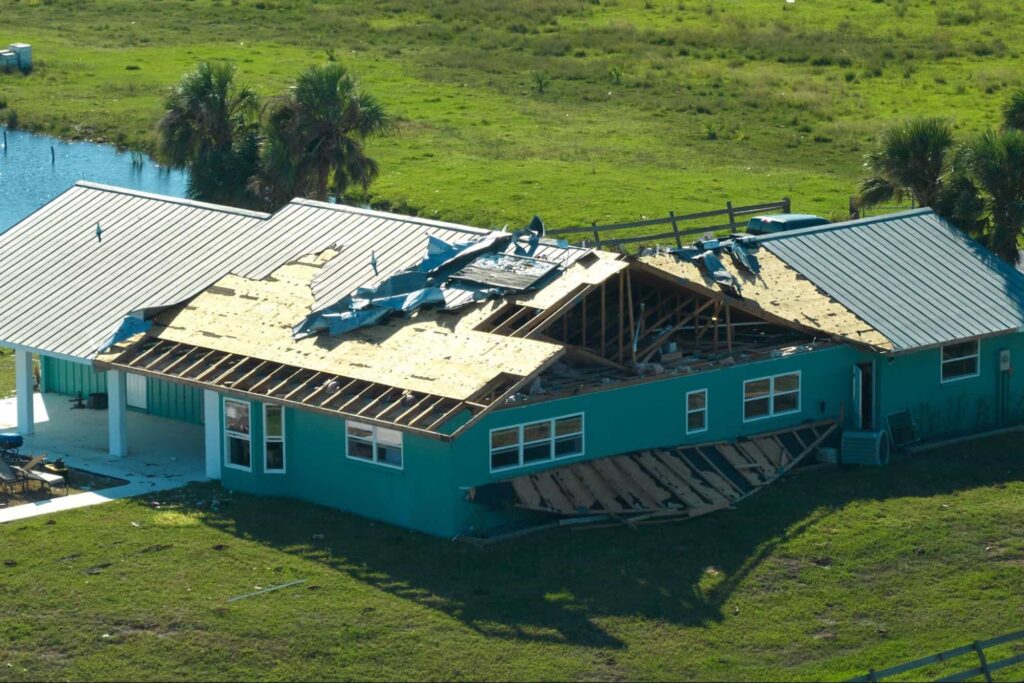
- Shingles or metal panels have blown off
- Tree limbs have punctured the roof
- Flashing has torn loose during a storm
- Structural sagging is visible
In Florida, storm damage roof repair calls spike during hurricane season. High winds compromise seal strips and fastening patterns, leaving roofs vulnerable to rapid water intrusion.
Waiting even 24 hours can turn minor damage into insulation saturation, drywall collapse, or mold growth.
What to Do Immediately After Roof Damage
First priority: safety.
If there is structural instability, stay out of affected areas. Avoid climbing onto the roof yourself, especially during or immediately after severe weather.
Inside the home:
- Move valuables away from leaks
- Place containers to collect water
- Relieve ceiling pressure by carefully puncturing bulging drywall if needed
- Photograph visible damage for insurance
Documentation matters later.
Outside the home:
If conditions are safe and dry, you can visually inspect from the ground. Look for missing shingles, exposed decking, or fallen debris.
Then call for professional emergency roof repair.
The Role of Roof Tarping
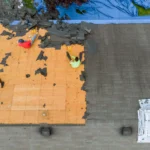
A roof tarp service is often the first step in stabilizing storm damage.
Tarping:
- Prevents additional water intrusion
- Protects exposed decking
- Buys time for insurance processing
- Minimizes interior repair costs
Proper tarping is more than throwing plastic over shingles. It must be securely anchored and sealed to prevent wind uplift.
In our experience, improper tarping causes nearly as much damage as the original storm.
Professional installation ensures temporary protection actually works.
Common Causes of Emergency Roof Repairs in Florida
Florida weather creates predictable damage patterns.
The most common emergency triggers include:
- Hurricane-force wind uplift
- Flying debris impact
- Heavy rain overwhelming flashing systems
- Improperly sealed penetrations
- Aging shingles losing adhesion
Older roofs are especially vulnerable. Heat and UV exposure weaken asphalt over time, making storm failure more likely.
Emergency repairs often reveal underlying age-related wear that homeowners didn’t know existed.
Insurance and Emergency Repairs
After storm damage, insurance may cover emergency stabilization.
Important steps:
- Document damage immediately
- Keep receipts for temporary repairs
- Schedule professional inspection
- Avoid permanent repairs before adjuster review unless necessary to prevent further loss
An experienced roofing contractor can assist with documentation and adjuster coordination.
Acting quickly protects your claim and your home.
Temporary vs Permanent Repair
Emergency roof repair typically occurs in two phases.
Phase One: Stabilization
Tarping, temporary sealing, debris removal.
Phase Two: Permanent Repair
Shingle replacement, flashing correction, decking repair, underlayment restoration.
Some emergencies require only minor permanent repairs. Others reveal widespread damage requiring larger sections to be rebuilt.
The key is accurate inspection before final scope decisions.
How Fast Should Repairs Be Completed
The faster the better.
Moisture intrusion spreads quickly in Florida humidity. Within days, insulation saturation can lead to mold growth. Wood decking can begin to deteriorate.
Prompt stabilization dramatically reduces long-term repair costs.
Emergency response protects both structure and indoor air quality.
Preventing Future Emergencies
Not all emergencies are preventable. Many are storm-driven.
However, proactive steps reduce risk:
- Annual roof inspections
- Proper attic ventilation
- Replacing aging shingles
- Securing loose flashing
- Trimming overhanging trees
Small maintenance actions often prevent middle-of-the-night crisis calls.
Peace of mind during storm season is worth it.
FAQs
1. How quickly should I call for emergency roof repair?
Immediately after discovering active leaks or visible structural damage. Delays increase interior damage.
2. Does homeowners insurance cover emergency roof repair?
If damage results from a covered storm event, it may cover stabilization and permanent repairs. Policy details vary.
3. Can I tarp my roof myself?
It is not recommended unless conditions are completely safe. Improper tarping can cause additional damage or injury.
4. How long can a roof tarp stay in place?
Tarping is temporary protection. Permanent repairs should be scheduled as soon as possible.
5. What if my ceiling is sagging from water?
Avoid standing underneath it. Carefully relieve pressure if safe, and contact a roofing professional immediately.
Storm damage is stressful. The uncertainty makes it worse.
If you’re facing an active leak or visible roof damage, contact Budget Roofing Service for professional emergency roof repair. Fast response. Clear assessment. A plan that protects your home from further loss.