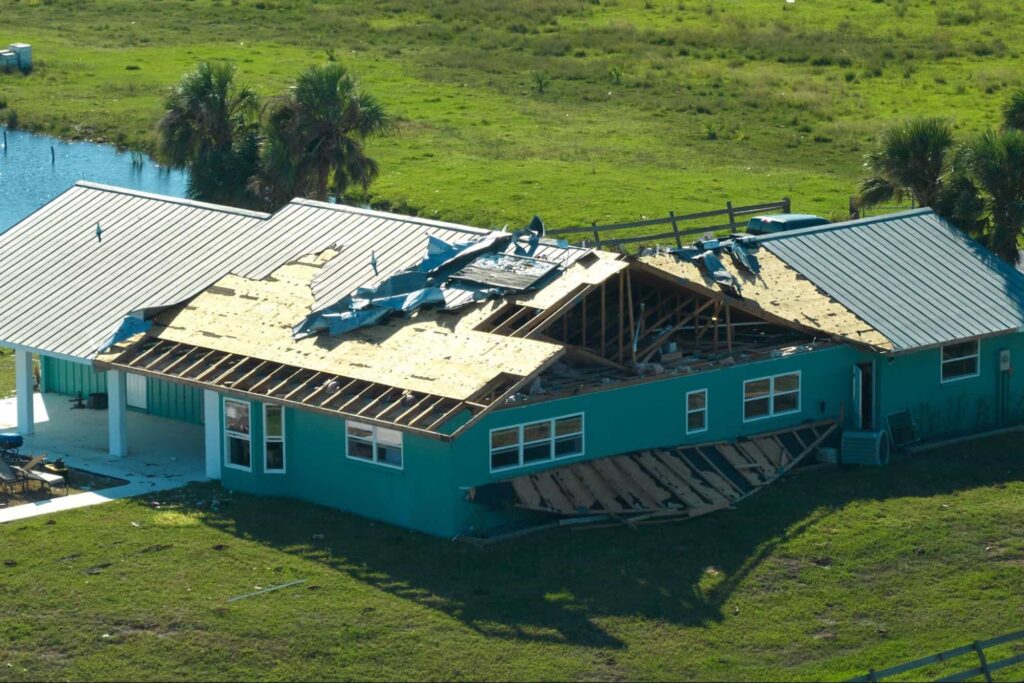
Roof Flashing problems in Florida: The hidden cause behind many roof leaks. When homeowners notice a roof leak, they often assume the shingles, tiles, or metal panels are the problem. Sometimes they are. But many roof leaks actually start in the smaller details of the roofing system, especially the flashing.
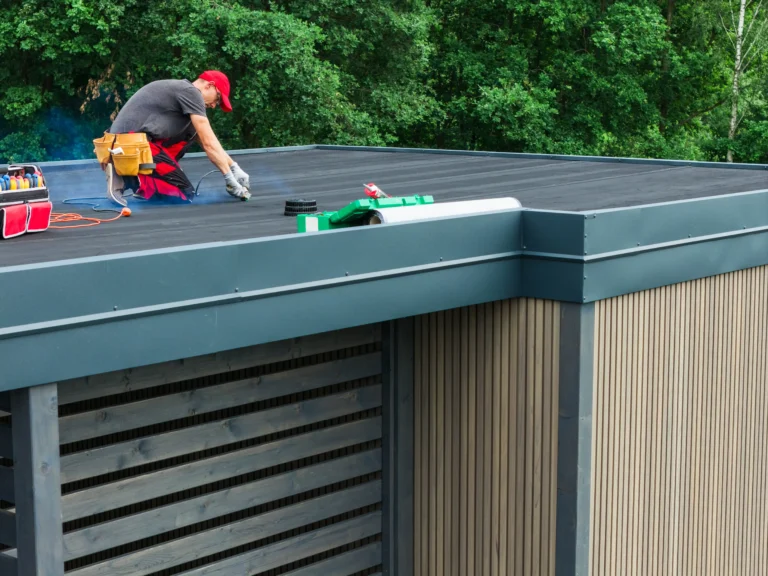
Roof flashing is the thin metal or waterproof transition material installed around vulnerable areas of the roof. It helps direct water away from places where the roof surface changes direction, meets a wall, surrounds a penetration, or connects to another structure. When flashing is installed correctly and maintained well, it quietly protects the home. When it fails, water can find a path inside.
In Florida, flashing matters even more because roofs deal with heavy rain, wind-driven storms, intense heat, humidity, and frequent expansion and contraction. A small flashing issue can turn into ceiling stains, rotten wood, damaged insulation, mold concerns, or interior drywall repairs if it is ignored.
Where Roof Flashing Is Usually Found
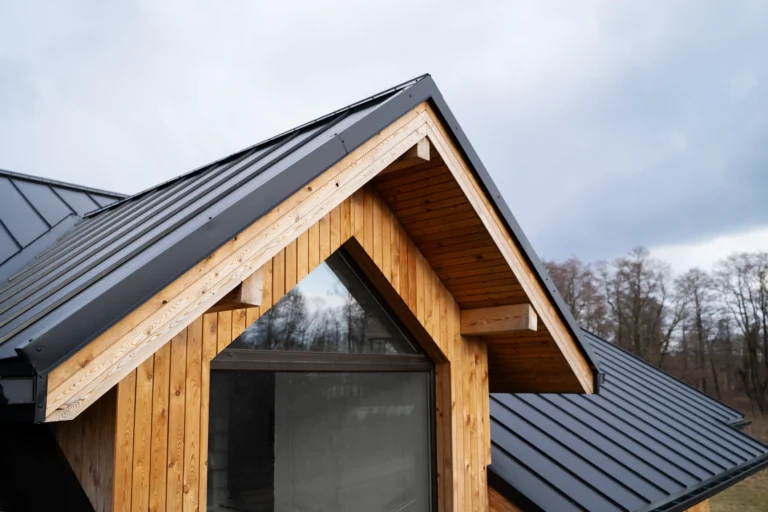
Flashing is used anywhere water needs extra guidance. Common flashing areas include chimneys, skylights, vent pipes, roof valleys, sidewalls, headwalls, dormers, roof-to-wall transitions, plumbing stacks, and low-slope tie-ins.
These are the spots where leaks often happen because they are not simple, flat roof surfaces. Water naturally collects, changes direction, or slows down around these areas. If the flashing is bent, loose, cracked, rusted, missing, or sealed poorly, water may work its way under the roofing material.
A roof can look fine from the ground while flashing problems are developing around these hidden transition points.
Why Flashing Fails in Florida
Florida weather is hard on roof details. Sealants dry out in the sun. Metal expands and contracts with temperature changes. Wind can lift roofing materials. Heavy rain can force water into weak spots. Over time, fasteners may loosen, caulking may crack, and older flashing may corrode.
Storm damage can also affect flashing. A branch may scrape the roof near a vent. Wind may lift shingles around a wall transition. Debris may collect in valleys and hold moisture against flashing. Even a previous repair can become a problem if it relied too heavily on caulk instead of proper flashing work.
Caulk alone is not a long-term solution for most flashing problems. It may stop water temporarily, but if the flashing is damaged or installed incorrectly, the leak often returns.
Signs You May Have a Flashing Issue
Flashing leaks can be tricky because the water may enter in one place and show up somewhere else inside the home. Still, there are signs homeowners can watch for.
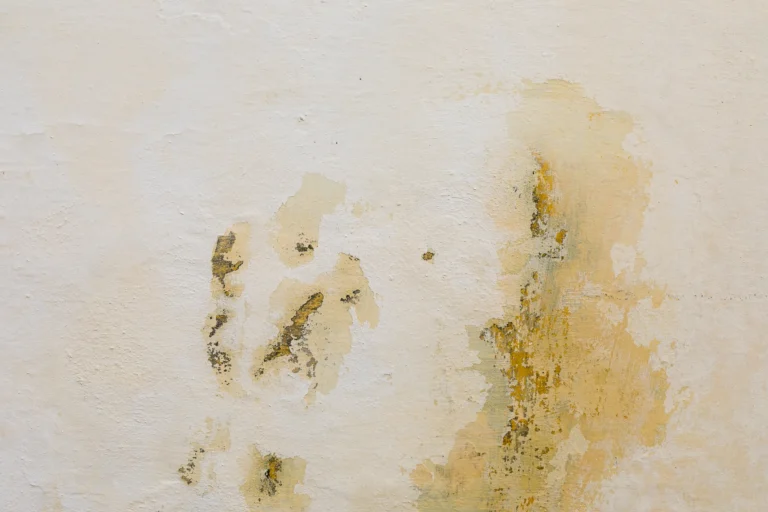
Look for ceiling stains near chimneys, bathrooms, kitchens, exterior walls, or attic areas. Check for peeling paint, musty smells, damp insulation, water marks around fireplaces, staining near vents, or repeated leaks in the same area after storms.
Outside, warning signs may include lifted shingles around a chimney, cracked sealant, rusted metal, missing counterflashing, gaps near wall transitions, exposed fasteners, or debris trapped in valleys.
If you see water damage inside, do not assume the leak is directly above the stain. A roofing professional can trace the path and inspect the flashing details.
Why Professional Diagnosis Matters
Flashing repairs require experience because the leak source is not always obvious. A homeowner may patch the wrong area or add sealant where it does not solve the real problem. That can allow water to continue moving under the roof surface.
A professional roof inspection should look at the roof covering, flashing, underlayment, decking condition, penetrations, valleys, chimneys, gutters, soffit, fascia, and attic when accessible. The goal is to identify the actual failure point before recommending a repair.
Budget Roofing Service uses inspection-first guidance to help homeowners understand what is happening on the roof before choosing a repair or replacement path.
Flashing During Roof Replacement
If you are replacing your roof, flashing should be part of the conversation. Reusing old flashing may not always be the best choice, especially if it is worn, poorly installed, rusted, or no longer compatible with the new roof system.
A quality roof replacement should address the vulnerable transition points, not just install new shingles or panels over old problems. That includes proper flashing, underlayment, water barriers, ventilation, roof edges, and penetrations.
Budget Roofing Service is state-certified and handles roof repairs, replacements, inspections, and exterior roofline services for homeowners and businesses across Central Florida.
Do Not Wait on a Flashing Leak
Flashing leaks usually do not fix themselves. A small stain near a chimney or vent may be the first visible sign of a problem that has been developing for weeks or months.
If you notice water stains, musty odors, repeated leaks, or suspicious roof details, schedule an inspection before the next storm makes the damage worse.
Budget Roofing Service has served Winter Haven, Lakeland, Auburndale, Haines City, Davenport, Poinciana, and surrounding Central Florida communities since 1952. If you suspect a flashing problem, a free inspection can help you get clear answers and protect your home before a small leak becomes a larger repair.