Roof Inspection Checklist: What Florida Homeowners Should Look For
Most homeowners only think about their roof when something goes wrong.
A leak appears during a storm. Shingles show up in the yard. Or water stains begin spreading across the ceiling.
By that point, the issue has often been developing for months. A routine roof inspection helps identify small problems before they become expensive structural damage.
In Florida, where roofs face constant sun, humidity, and severe storms, regular inspections play an important role in protecting the entire home.
Understanding what professionals look for during an inspection helps homeowners know when it’s time to schedule one.
Why Roof Inspections Are Important in Florida
Florida roofs experience unique stress compared to many other parts of the country.
Extreme UV exposure, heavy rainfall, and hurricane-force winds accelerate roofing wear. Even a well-installed roof can develop vulnerabilities over time.
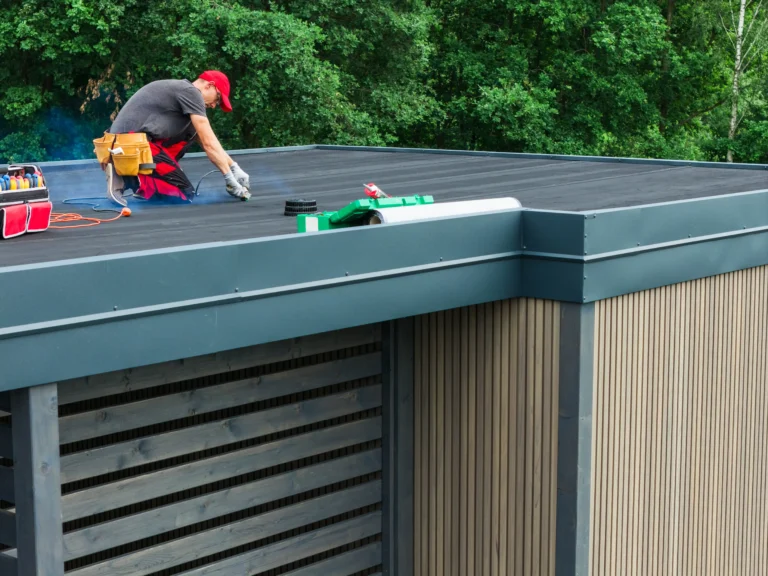
A professional roof inspection allows contractors to evaluate:
Shingle condition
Flashing integrity
Roof ventilation
Structural decking health
Storm-related damage
Addressing minor issues early through proper roof maintenance often extends the lifespan of the roof significantly.
Without regular inspections, small defects can quietly grow into major repairs.
Signs You May Need a Roof Inspection
Sometimes homeowners schedule inspections proactively. Other times, warning signs appear first.
Common indicators include:
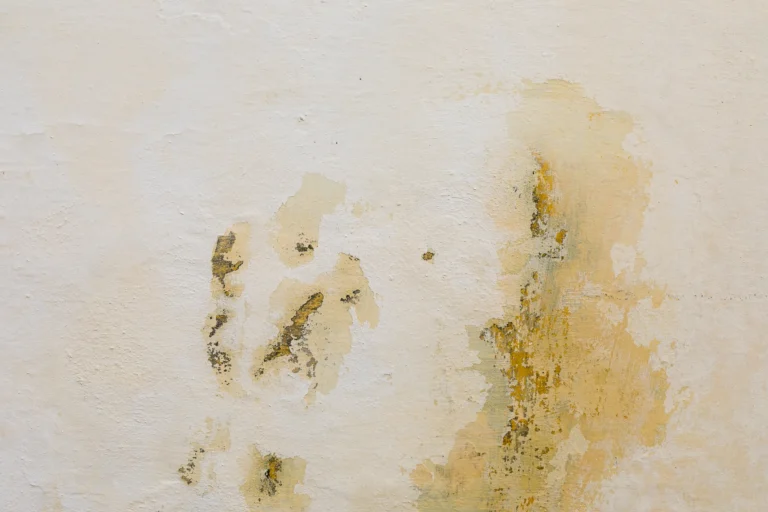
Water stains on ceilings or walls
Missing or curled shingles
Granules collecting in gutters
Sagging areas on the roof
Increased indoor humidity or attic moisture
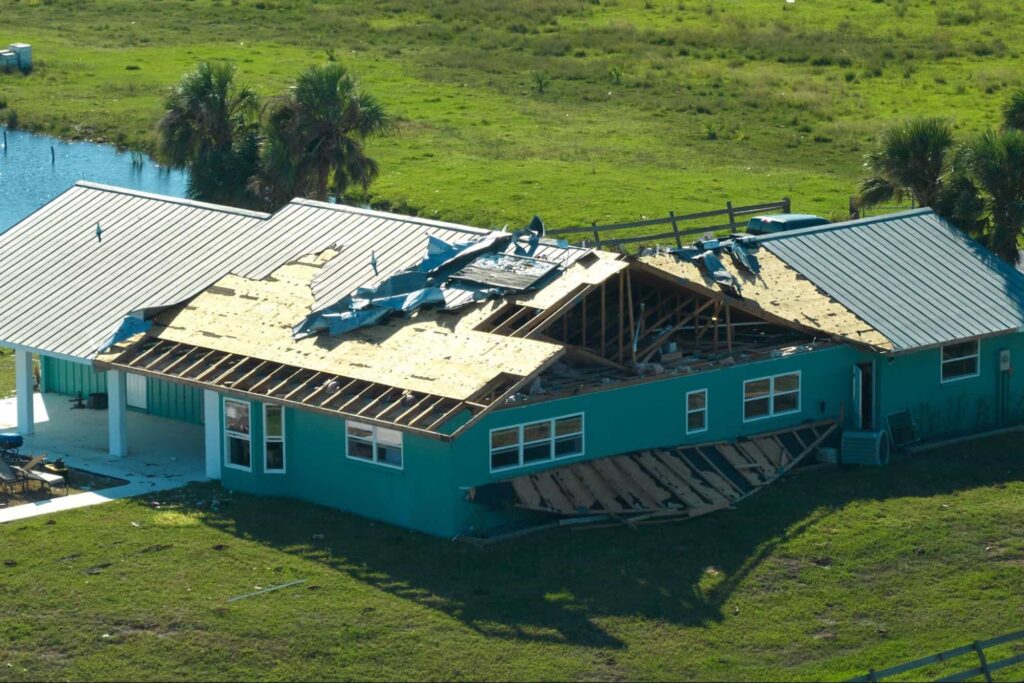
Storm activity is another major trigger. After strong winds or heavy rain, a roof inspection can reveal damage that may not be visible from the ground.
Finding problems early keeps repair costs manageable.
What Professionals Look for During a Roof Inspection
A detailed inspection involves more than simply scanning the roof surface. Roofing professionals evaluate several components that work together to protect the home.
Shingle Condition
Shingles form the first barrier against weather.
Inspectors check for:
Cracked shingles
Curling edges
Missing pieces
Excessive granule loss
These signs often indicate aging materials or storm damage.
Flashing and Penetrations
Flashing protects vulnerable areas such as chimneys, skylights, and plumbing vents.
If flashing becomes loose or corroded, water can enter even when shingles appear intact.
Roof Valleys
Roof valleys carry large volumes of rainwater. Damaged valley flashing or shingles often become leak points.
These areas receive special attention during inspections.
Roof Decking and Structural Components
Inspectors also evaluate the structural support beneath the roofing system.
Soft decking or moisture damage inside the attic can signal hidden roof leaks.
The Role of Roof Maintenance in Preventing Damage
Routine roof maintenance plays a major role in preventing emergency repairs.
During maintenance visits, contractors often:
Replace loose shingles
Reseal flashing
Clear debris from drainage areas
Inspect ventilation systems
These small adjustments strengthen the roof system and help prevent future leaks.
For many homeowners, annual maintenance costs far less than repairing major storm damage.
When to Schedule a Roof Inspection
Most roofing professionals recommend inspections at least once a year.
Additional inspections are often recommended:
After major storms
Before hurricane season
Before selling a home
When a roof approaches 10 to 15 years of age
Regular inspections provide valuable documentation of the roof’s condition over time.
This documentation can also support insurance claims when storm damage occurs.
What Happens After an Inspection
After the inspection, homeowners typically receive a roof condition report outlining the findings.
This report may include:
Photos of damaged areas
Recommended repairs
Estimated remaining roof lifespan
Maintenance suggestions
Clear documentation helps homeowners make informed decisions about repair or replacement timing.
Knowing the current condition of your roof removes uncertainty and allows for better planning.
How Inspections Protect Your Investment
Your roof protects everything beneath it. When problems develop unnoticed, the resulting damage can extend beyond the roof itself.
Regular roof inspections help prevent:
Interior water damage
Mold growth in attic spaces
Structural wood rot
Electrical hazards from moisture exposure
Homeowners who monitor their roof’s condition are far more likely to catch problems early.
That early action often prevents thousands of dollars in repair costs.
Frequently Asked Questions
How often should I schedule a roof inspection?
Most homes benefit from a professional inspection once a year, along with additional inspections after major storms.
How long does a roof inspection take?
Most residential inspections take between 30 minutes and an hour, depending on roof size and complexity.
Can I inspect my roof myself?
Homeowners can look for visible issues from the ground, but professional inspections provide a much more thorough evaluation.
Do roof inspections help with insurance claims?
Yes. Inspection reports can document storm damage and support insurance claims when repairs are needed.
What happens if damage is found during the inspection?
The contractor will recommend repair options and provide a plan to restore the roof’s protective performance.
If your roof hasn’t been evaluated recently, a professional inspection can reveal hidden damage before it becomes a serious problem.
Budget Roofing Service provides thorough roof inspections designed to help Florida homeowners understand the true condition of their roofs and plan repairs with confidence. Contact the team to schedule an inspection and protect your home before the next storm arrives.