Roof Leak Repair: How to Find and Fix Leaks Before They Cause Major Damage
Most roof leaks do not start as obvious problems.
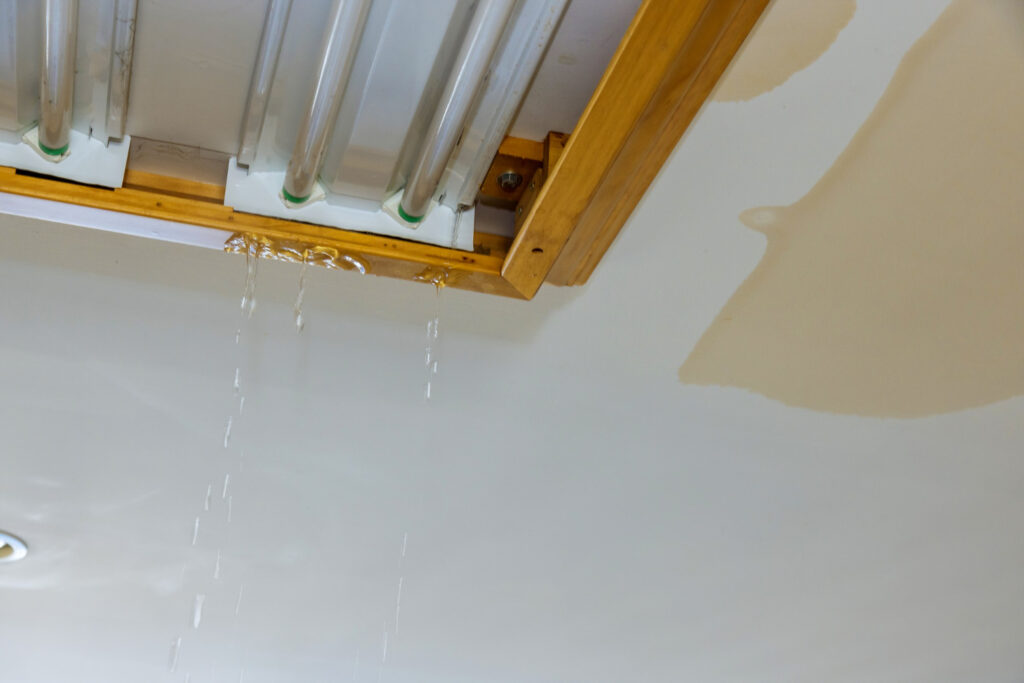
A small drip during a storm. A faint water stain forming near a ceiling corner. Maybe a musty smell in the attic after heavy rain.
By the time homeowners realize they need roof leak repair, the issue often began weeks or even months earlier. Water takes the path of least resistance. It travels beneath shingles, along rafters, and across insulation before showing itself inside the home.
Catching a leak early protects not just the roof, but the entire structure underneath it.
Understanding how leaks start and how professionals handle roof leak detection can help homeowners act before minor damage becomes expensive repairs.
Why Roof Leaks Are Common in Florida
Florida roofs face constant environmental pressure. Heat, humidity, and severe storms create the perfect conditions for leaks to develop.
Some of the most common causes include:
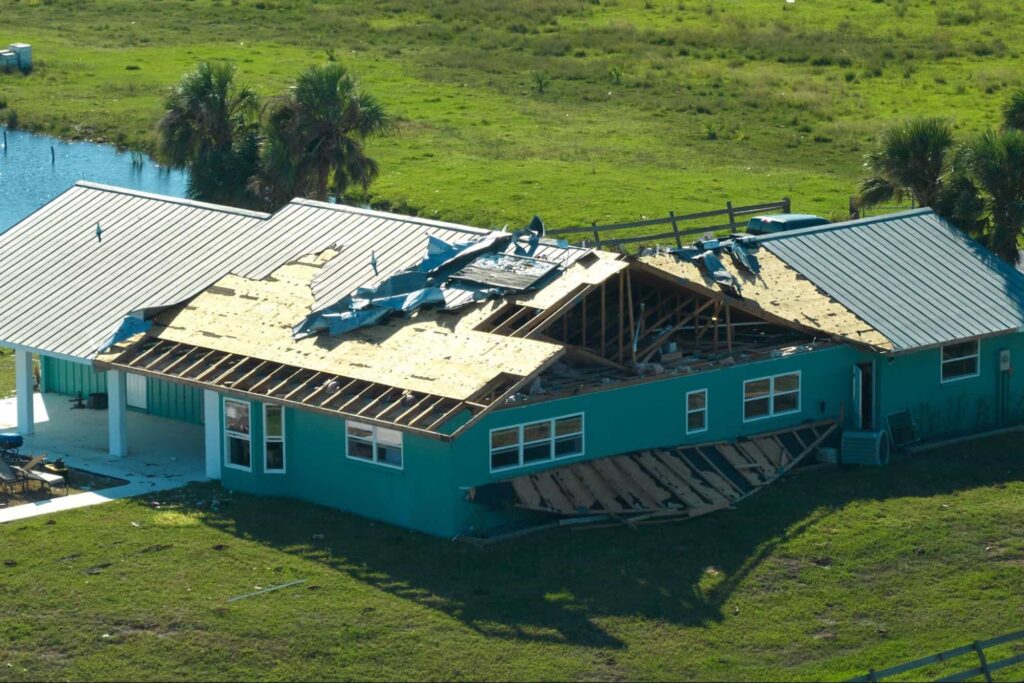
Wind lifting shingles during storms
Cracked flashing around chimneys or vents
Aging asphalt shingles losing granules
Improperly sealed roof penetrations
Clogged roof valleys or drainage areas
Even a small opening in roofing materials can allow water to enter during heavy rain. Over time, moisture can weaken decking, insulation, and interior drywall.
In Florida’s climate, delaying roof leak repair rarely improves the situation.
Signs Your Roof May Be Leaking
Many leaks appear inside the home long after the actual roof damage occurs.
Homeowners should watch for warning signs such as:
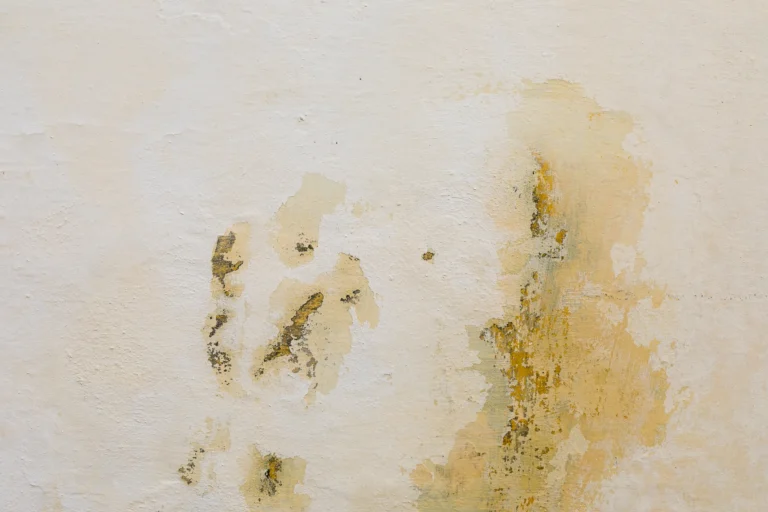
Water stains on ceilings or walls
Peeling paint near roof lines
Damp insulation in the attic
Mold or mildew odors
Missing or curled shingles
Sometimes the leak source sits several feet away from the visible interior damage. That’s why professional roof inspection is critical for identifying the real entry point.
Repairing the wrong area leaves the problem unresolved.
How Professionals Perform Roof Leak Detection
Locating the source of a roof leak requires more than a quick visual check.
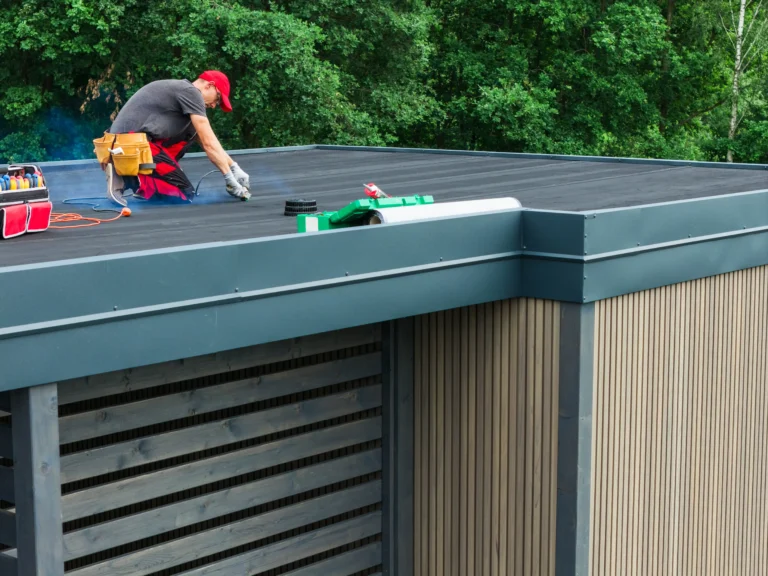
Experienced roofing contractors use a systematic inspection process that includes examining both the exterior roof system and the attic structure below.
A typical inspection involves:
Inspecting shingles for lifting, cracking, or missing sections
Checking flashing around vents, skylights, and chimneys
Examining roof valleys where water concentrates
Inspecting attic insulation for moisture trails
Looking for nail pops or weakened seal strips
Roof leak detection often reveals problems homeowners cannot see from the ground.
This careful process ensures repairs address the true cause of the leak instead of just the symptom.
Common Roof Leak Repair Solutions
The repair approach depends on the cause of the leak and the condition of the surrounding roof area.
Typical roof leak repair solutions include:
Replacing Damaged Shingles
High winds can loosen or remove shingles, exposing underlayment and decking. Replacing damaged sections restores the protective layer.
Resealing Flashing
Metal flashing protects roof penetrations like vents and chimneys. When flashing becomes loose or cracked, resealing prevents water intrusion.
Repairing Roof Valleys
Valleys channel large amounts of rainwater. If valley flashing or shingles fail, leaks often develop quickly.
Replacing Underlayment
In some cases, the waterproof barrier beneath shingles deteriorates. Replacing this layer restores the roof’s moisture protection.
Professional repairs focus on strengthening the entire system, not just patching one spot.
Why Fast Roof Leak Repairs Matter
Water damage spreads quickly.
A small leak can saturate insulation, weaken wooden decking, and damage drywall in a matter of days. Once moisture reaches structural components, repair costs increase significantly.
Early roof leak repair prevents:
Mold growth inside walls
Structural wood rot
Interior ceiling collapse
Electrical hazards from moisture exposure
In many cases, homeowners who address leaks early avoid full roof replacement.
How Roof Inspections Prevent Future Leaks
Routine roof inspection helps identify vulnerabilities before they turn into leaks.
Professionals often look for early signs of wear, including:
Loose flashing
Aging seal strips
Granule loss on shingles
Minor storm damage
Correcting these issues during routine maintenance significantly extends roof life.
For Florida homeowners, inspections before and after storm season provide valuable protection.
The Long-Term Value of Professional Repair
Roof leak repair is not just about stopping water temporarily. It’s about restoring the roof’s ability to protect the entire home.
Professional repairs provide:
Proper sealing and fastening
Code-compliant installation practices
Accurate identification of hidden damage
Long-term durability through quality materials
The difference between a quick patch and a professional repair often determines whether the issue returns during the next storm.
Homeowners benefit from repairs designed to withstand Florida weather conditions.
FAQs
1. How do I know if my roof leak requires professional repair?
If you notice ceiling stains, active dripping, or missing shingles, a professional inspection is recommended. Roof leaks often originate in areas that are difficult to see without proper access.
2. Can a roof leak stop on its own?
No. Leaks usually worsen over time as water continues entering the roof system during storms.
3. How long does roof leak repair typically take?
Many repairs can be completed in a few hours depending on the severity of damage. Larger repairs may require additional time if structural issues are discovered.
4. Will homeowners insurance cover roof leak repair?
Insurance may cover repairs if the damage results from a covered event such as a storm. Age-related wear is typically not covered.
5. Is it safe to inspect my own roof for leaks?
Walking on a roof can be dangerous, especially after rain or storm damage. Ground-level inspection is safer, but professional evaluation ensures accurate detection.
If you’ve noticed water stains, missing shingles, or signs of moisture in your attic, addressing the issue quickly can prevent larger repairs later.
Budget Roofing Service provides professional inspections and reliable roof leak repair solutions designed for Florida homes. Contact the team to schedule an inspection and protect your roof before small leaks become major problems.